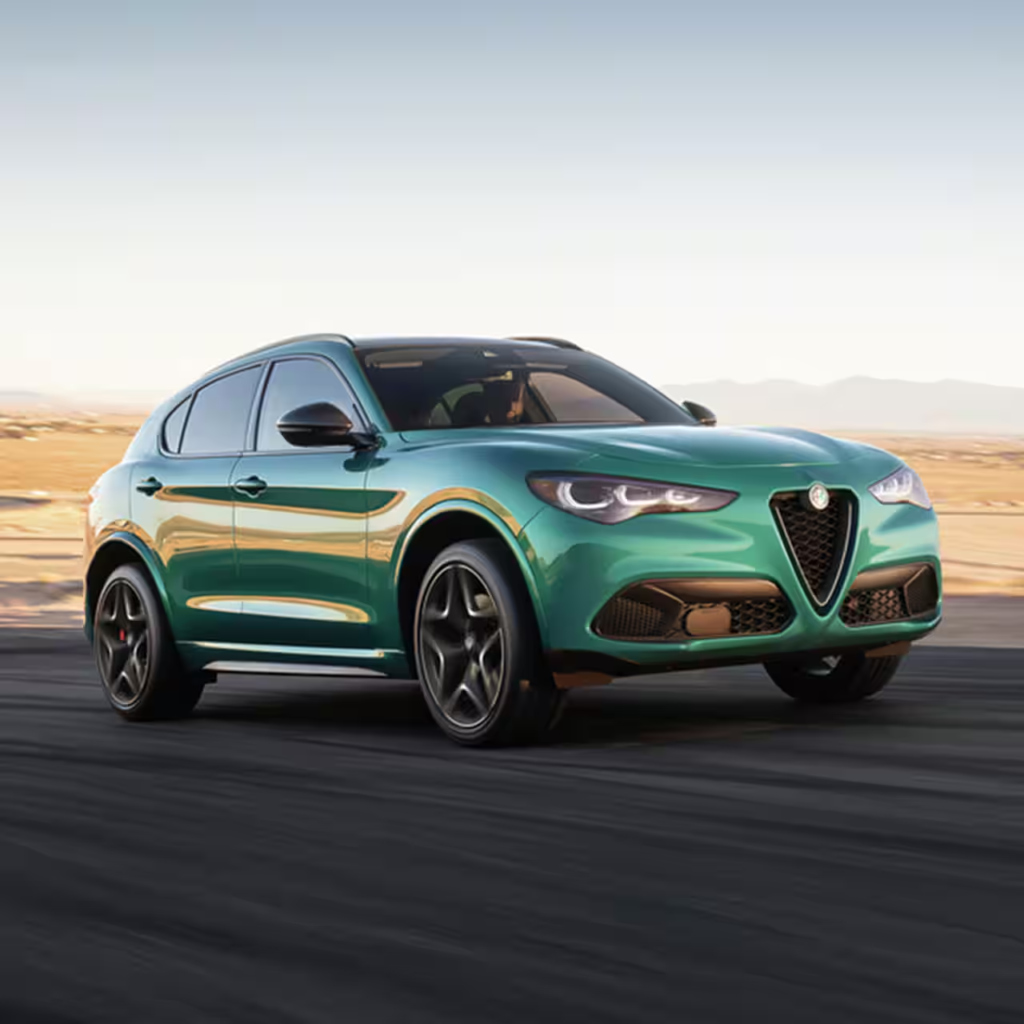
Revving Up the Future: How Tomorrow’s Cars Are Driving Innovation Today

Introduction & Background
The automotive industry stands at the brink of a transformative era, where innovation is not just a buzzword but a daily reality. Tomorrow’s cars are no longer confined to the drawing boards of engineers or the pages of science fiction. Instead, they are rolling off production lines today, redefining mobility, sustainability, and connectivity. This shift is driven by a confluence of technological advancements, environmental imperatives, and evolving consumer expectations. From electric powertrains to autonomous driving systems, the cars of the near future promise to revolutionize how we move, work, and live. As cities grow more congested and concerns over climate change intensify, the urgency to reimagine transportation has never been greater. The vehicles we drive today are already laying the foundation for a smarter, greener, and more efficient tomorrow, making it essential to explore how these innovations are unfolding.
Concept & Overview
The vision for tomorrow’s cars is rooted in three core pillars: electrification, automation, and connectivity. Electrification represents the move away from internal combustion engines toward battery-powered and hydrogen fuel cell vehicles, drastically reducing emissions and dependence on fossil fuels. Automation, on the other hand, envisions cars that can navigate roads without human intervention, leveraging artificial intelligence, sensors, and real-time data to enhance safety and efficiency. Connectivity ties these advancements together, enabling vehicles to communicate with each other, traffic infrastructure, and cloud-based services to optimize routes, prevent accidents, and deliver personalized experiences. Together, these principles form the backbone of the automotive revolution, where cars are no longer isolated machines but integral nodes in a larger ecosystem of smart transportation. The transition is already underway, with major manufacturers and startups alike investing billions into research and development to bring these concepts to life.
Key Features & Highlights
- Electric Powertrains: Tomorrow’s cars are being built around advanced electric motors and high-capacity batteries. Innovations like solid-state batteries promise longer ranges, faster charging times, and improved safety compared to today’s lithium-ion counterparts. Some vehicles are also incorporating regenerative braking systems, which capture energy during deceleration to extend driving range.
- Autonomous Driving Systems: Self-driving technology is rapidly maturing, with Level 2 and Level 3 autonomous features already available in consumer vehicles. These systems use a combination of cameras, radar, LiDAR, and AI-powered software to handle tasks such as lane-keeping, adaptive cruise control, and traffic-aware navigation. Fully autonomous driving (Level 4 and 5) is still in testing phases but holds the potential to eliminate human error from the equation entirely.
- Vehicle-to-Everything (V2X) Communication: The next generation of cars will be able to communicate not just with the internet but with traffic lights, road signs, other vehicles, and even pedestrians. This interconnected network, known as V2X, enables real-time traffic updates, collision warnings, and optimized route planning, making roads safer and more efficient.
- Sustainable Materials & Design: Automakers are prioritizing eco-friendly materials such as recycled plastics, bio-based fabrics, and lightweight composites to reduce the environmental footprint of vehicle production. Additionally, modular designs are emerging, allowing cars to be easily upgraded or repurposed rather than discarded, further supporting circular economy principles.
- Personalized In-Car Experiences: Tomorrow’s cars will act as personalized digital hubs, integrating with smartphones, smart homes, and AI assistants to tailor the driving experience. Features like voice-activated controls, biometric authentication, and AI-driven entertainment systems will make each journey unique and intuitive.
Frequently Asked Questions / Pros & Cons
What are the main benefits of electric vehicles for the environment?
Electric vehicles produce zero tailpipe emissions, which directly reduces air pollution and greenhouse gases in urban areas. Even when considering the emissions from electricity generation, studies show that EVs typically have a lower carbon footprint than traditional gasoline cars, especially as grids shift toward renewable energy sources. Additionally, the absence of combustion engines reduces noise pollution, contributing to quieter and healthier cities.
How safe are autonomous cars compared to human-driven vehicles?
Autonomous driving systems are designed to minimize human error, which accounts for the vast majority of traffic accidents. Early data from pilot programs suggests that self-driving cars can reduce collisions by detecting obstacles and reacting faster than humans. However, safety also depends on the robustness of the software and the quality of sensors. Current Level 2 and 3 systems still require driver supervision, while higher levels of autonomy are undergoing rigorous real-world testing to ensure reliability before widespread adoption.
What are the biggest challenges facing the adoption of hydrogen fuel cell vehicles?
Hydrogen fuel cell vehicles offer fast refueling times and long ranges similar to gasoline cars, but their adoption faces several hurdles. The primary challenge is the lack of hydrogen refueling infrastructure, which is far less developed than electric charging networks. Additionally, hydrogen production is currently energy-intensive and often relies on fossil fuels, unless green hydrogen (produced using renewable energy) becomes more accessible. Cost is another barrier, as fuel cell systems are still more expensive than battery-electric alternatives for most consumers.
Are connected cars vulnerable to cybersecurity threats?
While connected cars offer numerous benefits, they also introduce new risks, particularly in the realm of cybersecurity. Vehicles with internet connectivity and multiple data-sharing capabilities can potentially be targeted by hackers seeking to access personal data or even take control of critical functions. Automakers are investing heavily in cybersecurity measures, such as encryption, secure software updates, and intrusion detection systems, to mitigate these risks. However, as technology evolves, so do the tactics of malicious actors, making ongoing vigilance essential.
Practical Guidance & Solutions
For consumers looking to embrace the future of driving today, several actionable steps can help navigate this rapidly changing landscape. First, consider the type of electric vehicle that best suits your needs. Battery-electric vehicles (BEVs) are ideal for daily commutes and short trips, while plug-in hybrid electric vehicles (PHEVs) offer flexibility for longer journeys. Research charging infrastructure in your area to ensure convenient access to charging stations. When evaluating autonomous features, prioritize systems with proven safety records and transparent testing data, such as Tesla’s Autopilot or Ford’s BlueCruise.
For businesses and fleet operators, investing in connected vehicle technology can streamline operations through real-time tracking, predictive maintenance, and fuel efficiency analytics. Collaborate with cybersecurity experts to implement robust protection protocols and regularly update software to guard against emerging threats. Additionally, explore partnerships with local governments and utility providers to advocate for expanded charging and hydrogen refueling networks, which are critical for broader adoption.
Environmentally conscious buyers should look for vehicles made with sustainable materials and those that offer recyclable components. Some manufacturers provide detailed sustainability reports, allowing consumers to make informed choices. Lastly, staying informed about technological advancements through reputable industry publications and attending auto shows or webinars can provide valuable insights into upcoming innovations and trends.
Conclusion
The road ahead for automobiles is not just paved with asphalt but with innovation, sustainability, and intelligence. Tomorrow’s cars are already here in many ways, reshaping our relationship with transportation and setting new standards for efficiency, safety, and connectivity. While challenges remain, the progress is undeniable and accelerating at an unprecedented pace. As consumers, businesses, and policymakers come together to support this transformation, the vision of a cleaner, smarter, and more connected driving experience moves closer to reality. The future of cars is not a distant dream but a rapidly unfolding reality, driving us toward a world where mobility is not just a necessity but a seamless and sustainable part of daily life. Revving up this future today ensures that the journey ahead is as thrilling as the destination.